about the name
A house with a story
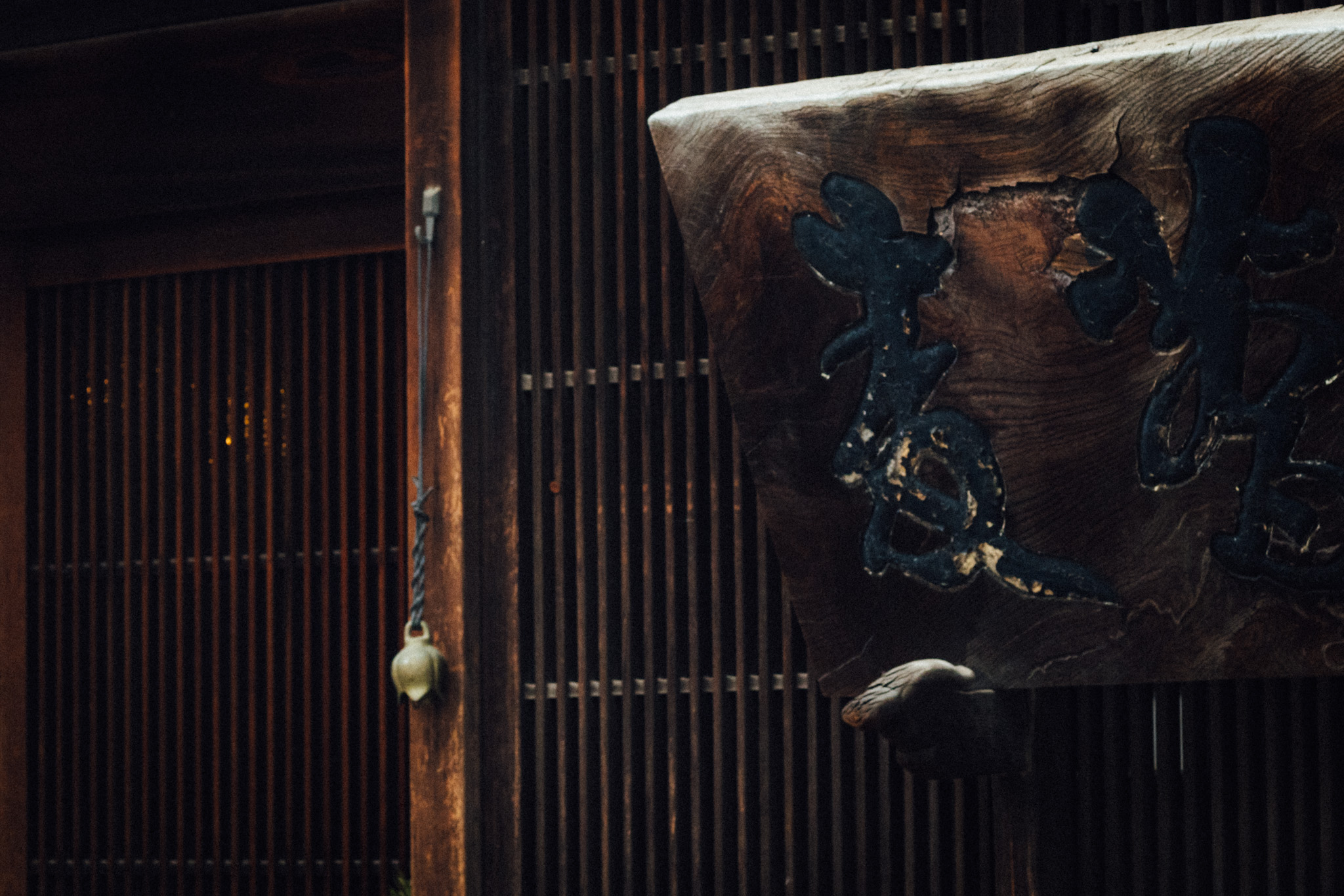
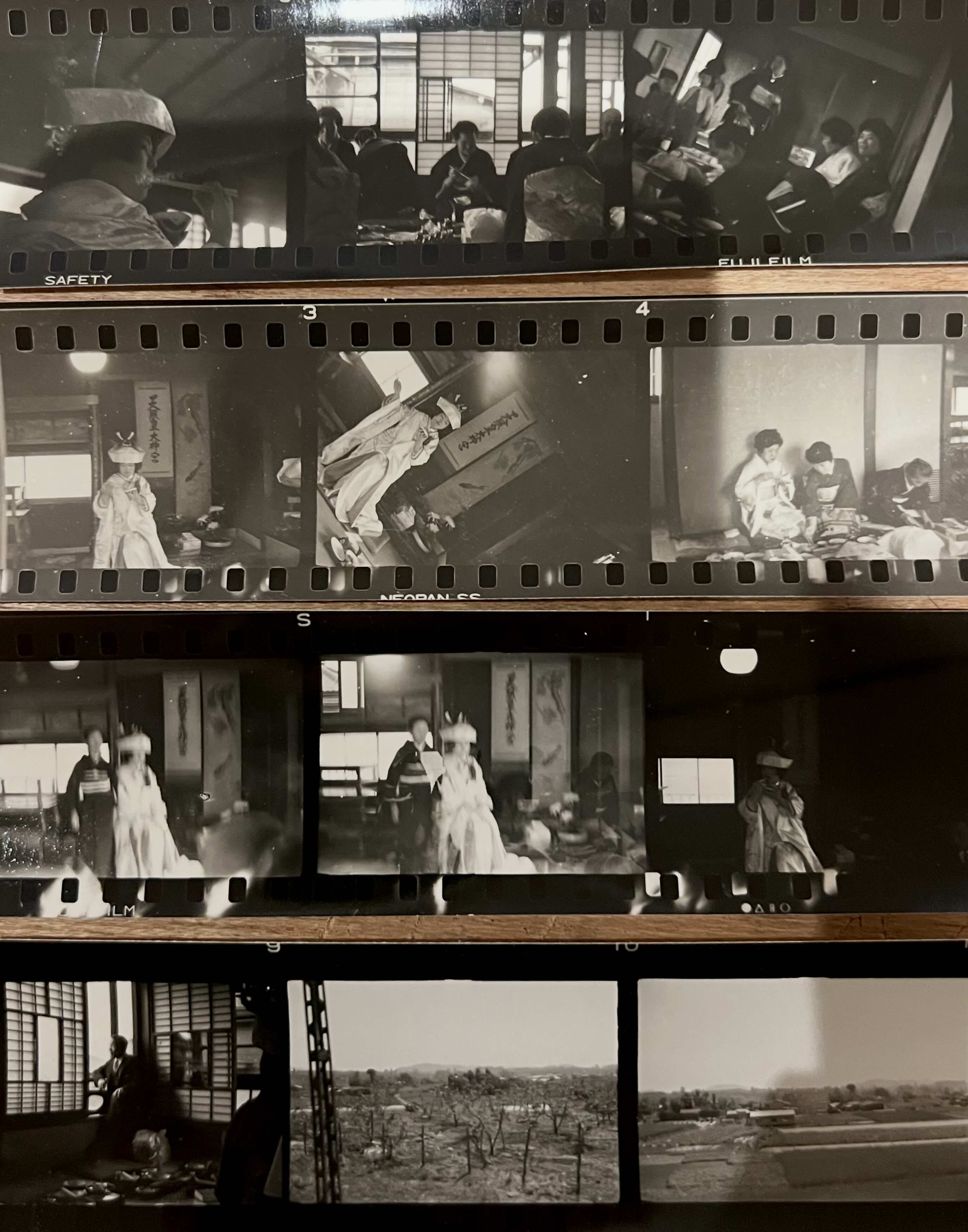
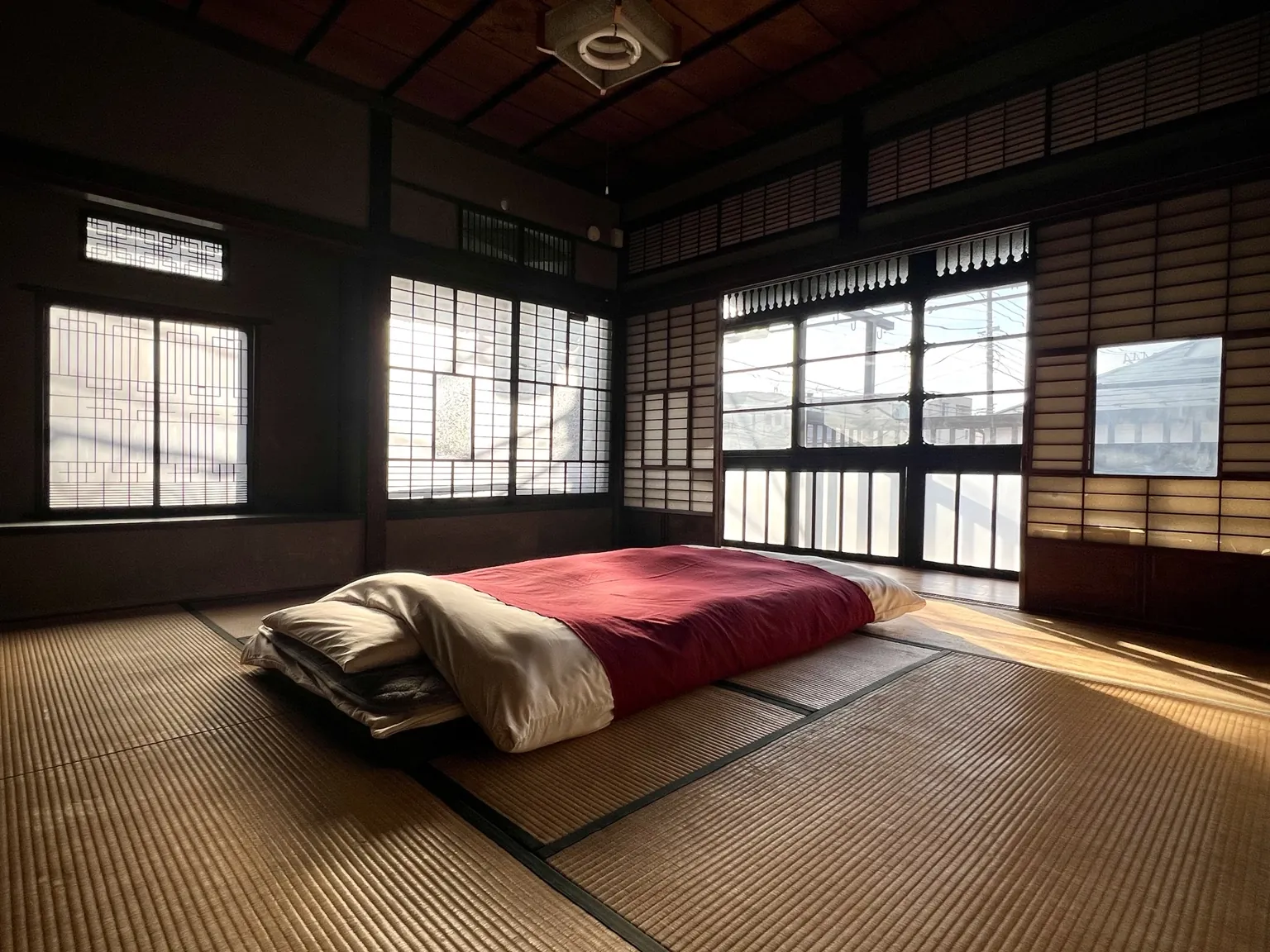
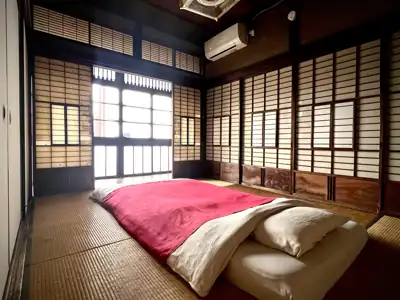
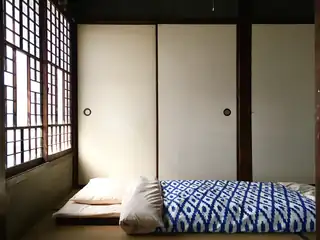
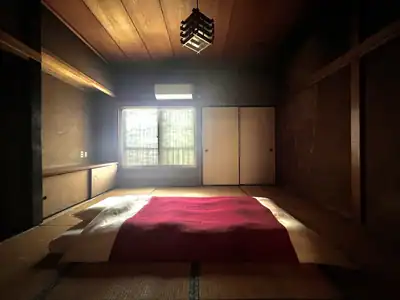
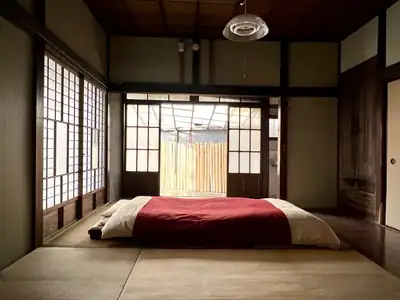
This 94-year-old traditional wooden house once served as a soba restaurant where local families even held wedding receptions. Skilled temple carpenters contributed to the building, and an old wooden sign reading “生蕎麦” (fresh soba noodles) still remains at the entrance. The details of its timber and sliding doors offer a glimpse of everyday life in old Tokyo.
In Japanese, the characters “生蕎麦” on the old wooden sign are pronounced “kisoba.” We borrowed that sound for the name of this house. To us, the name also suggests two hopes: to be a place that provides a foundation for people and their activities, and a place that stays close by your side. Those wishes are at the heart of the name.
about history
Where the river bends, history remains
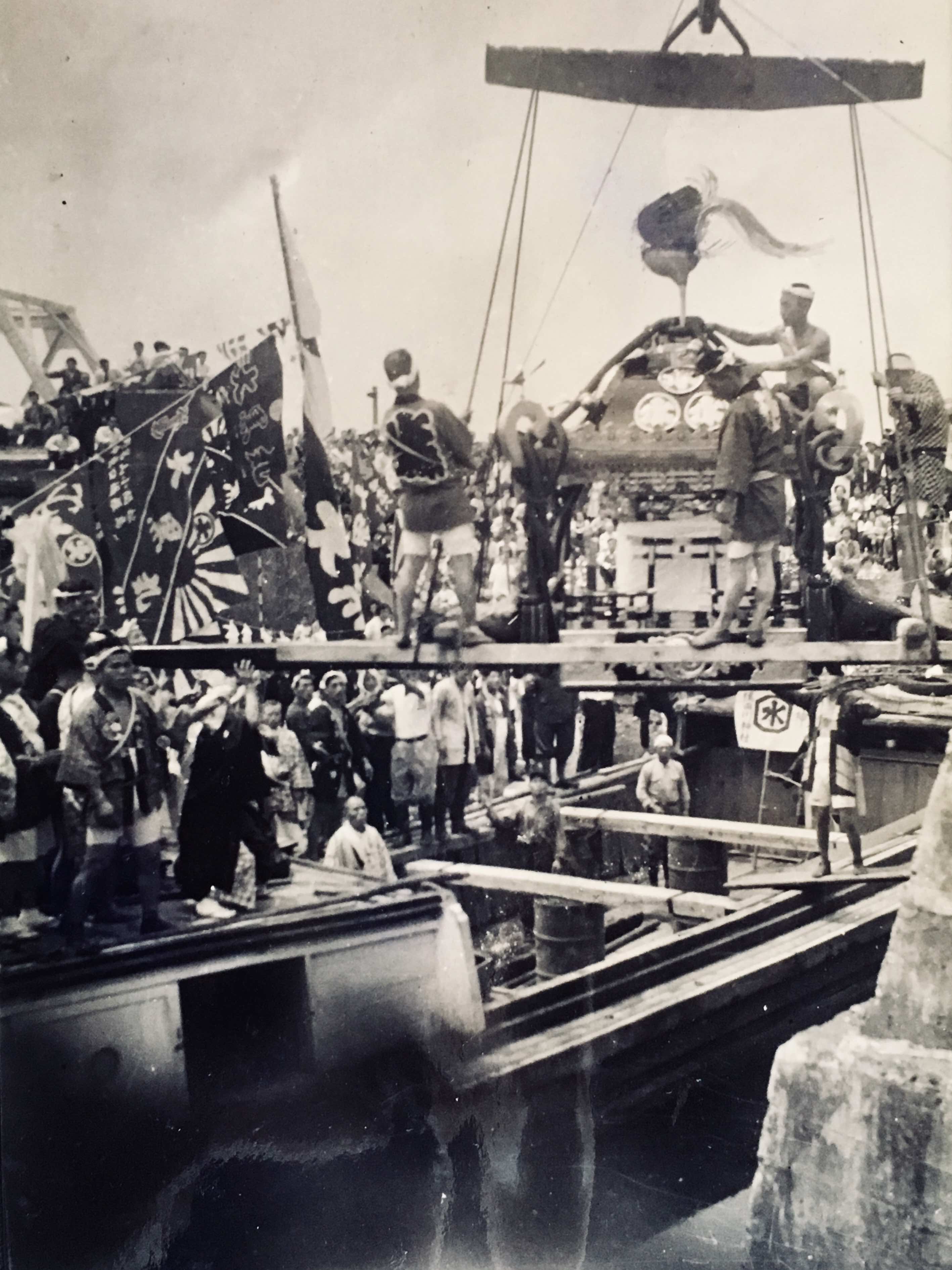
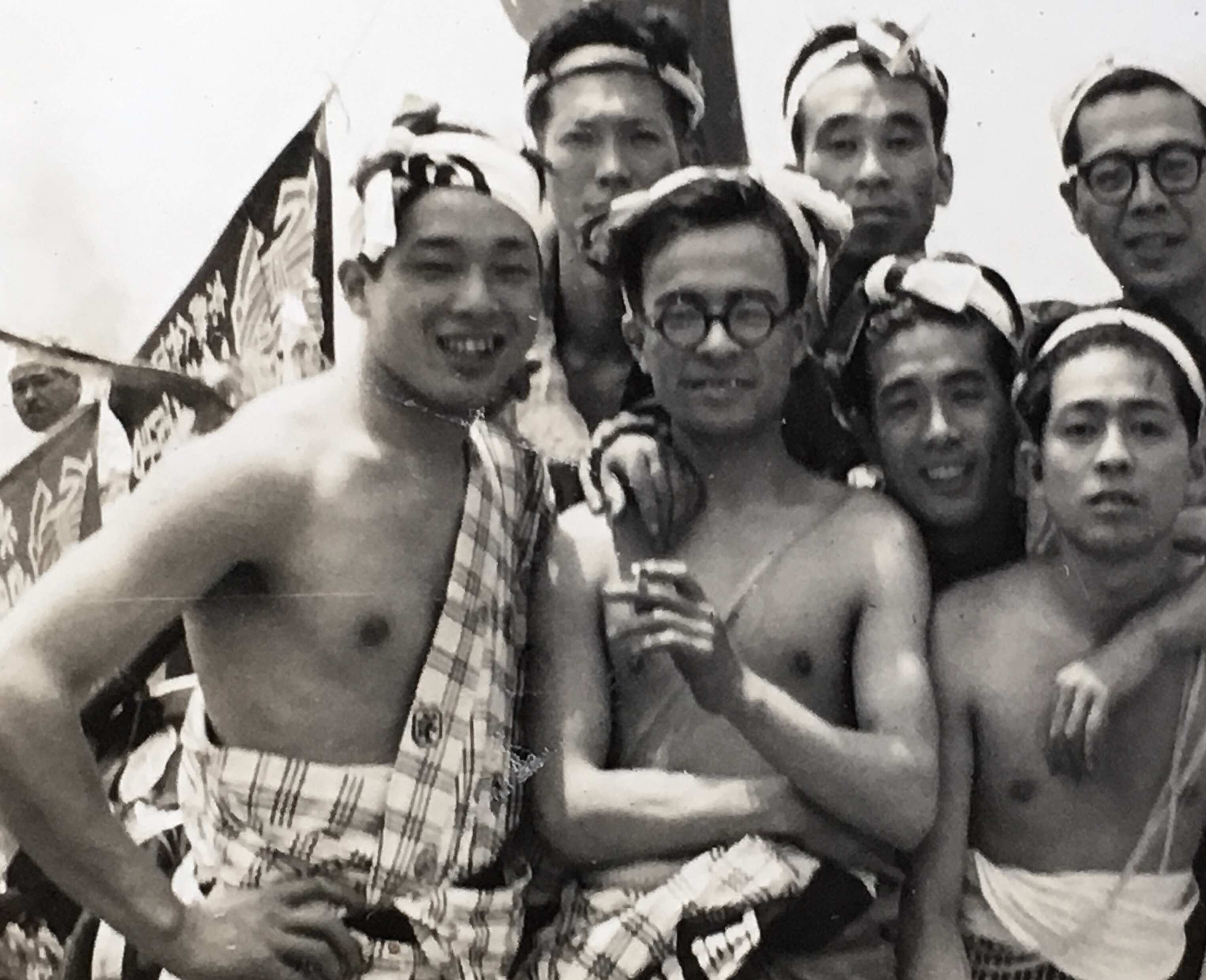
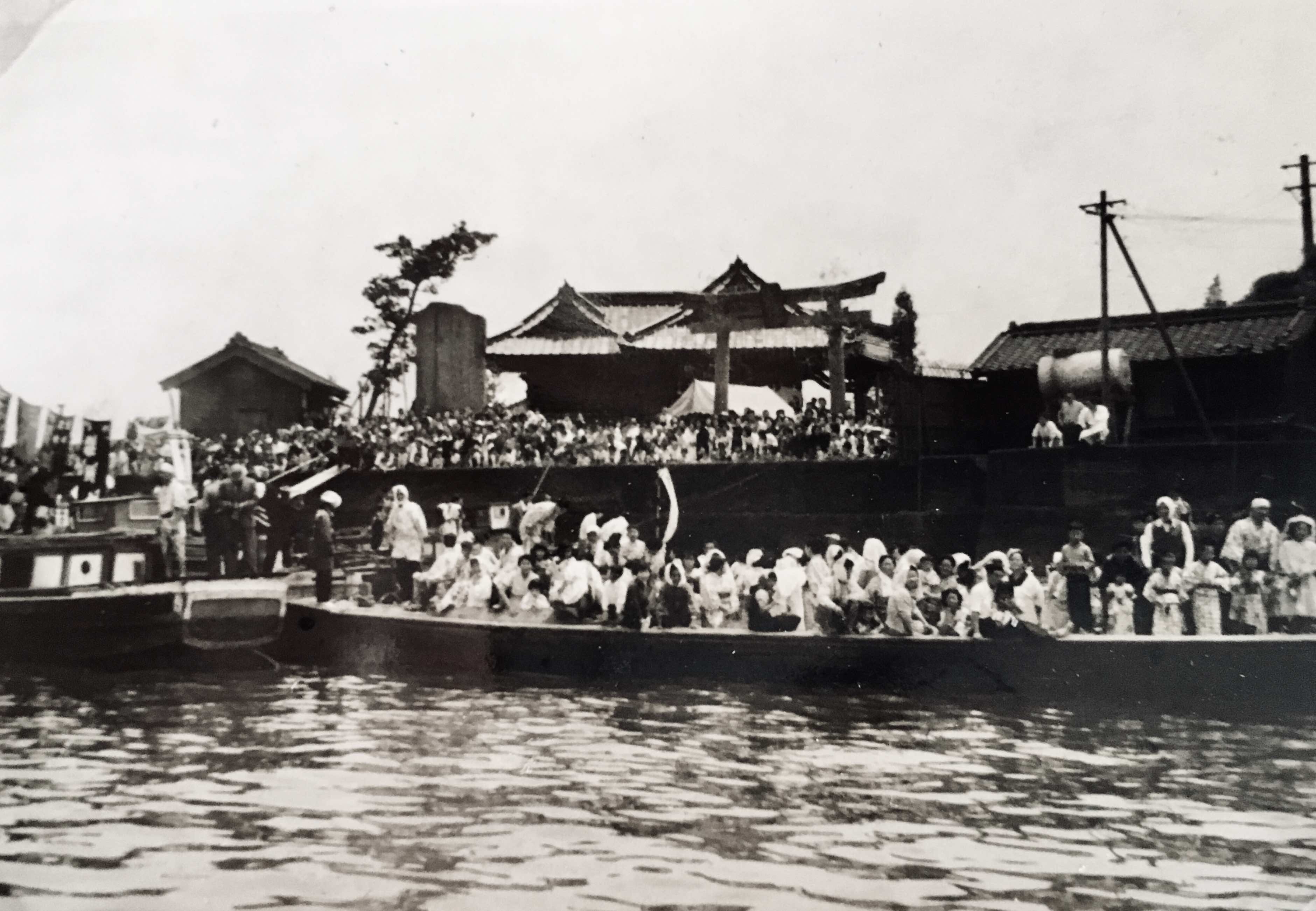
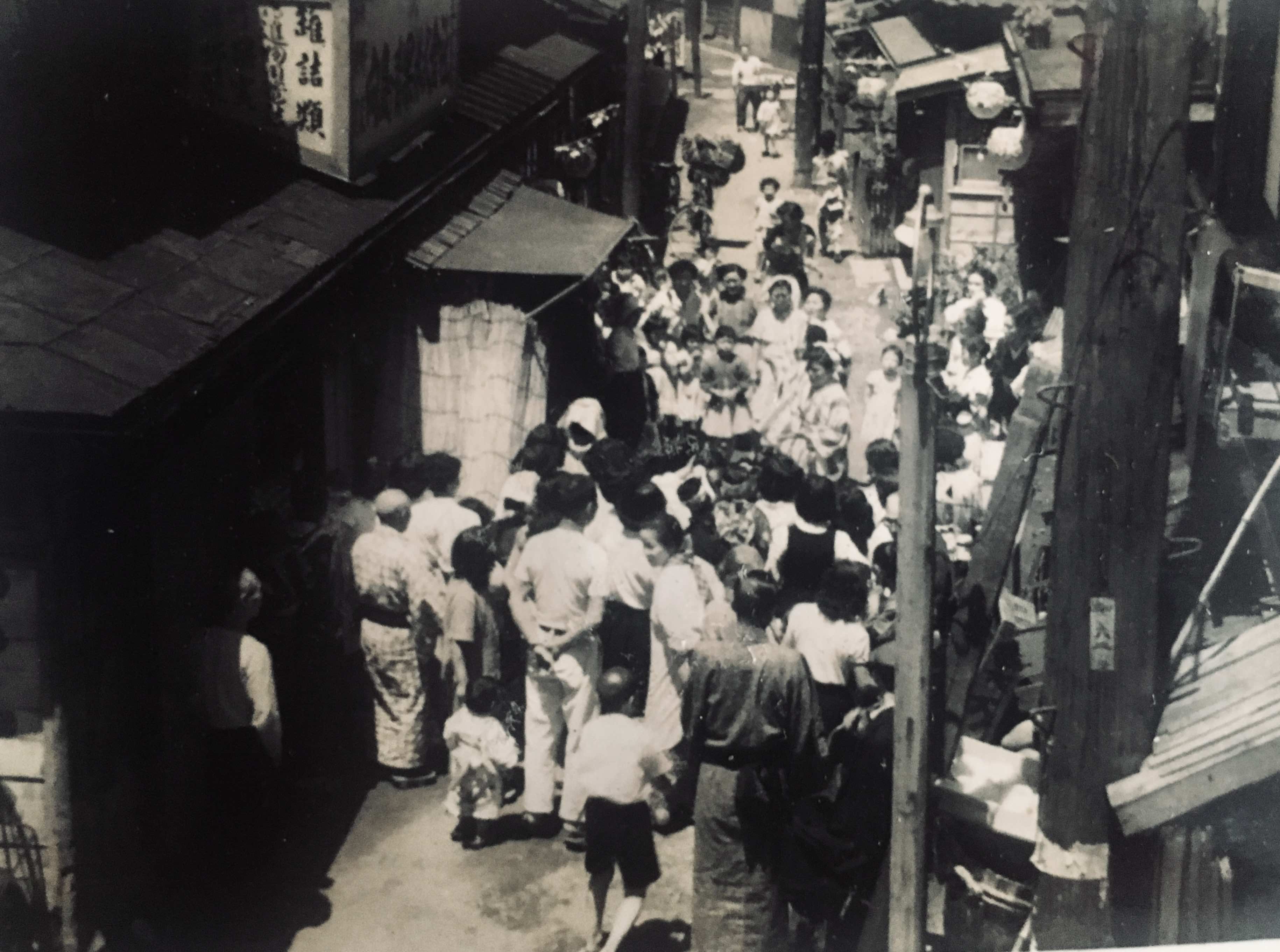
Kanegafuchi developed around sandbars formed by a bend in the Sumida River. What had once been wetlands later became riverside scenery enjoyed for cherry blossoms. A shrine to a water deity recalls the community’s wish for protection from flooding. In the industrial era, the Kanegafuchi Spinning Company brought jobs and prosperity. Parts of the neighborhood escaped the wartime fires, leaving quiet streets that still evoke the atmosphere of Showa-era Tokyo.
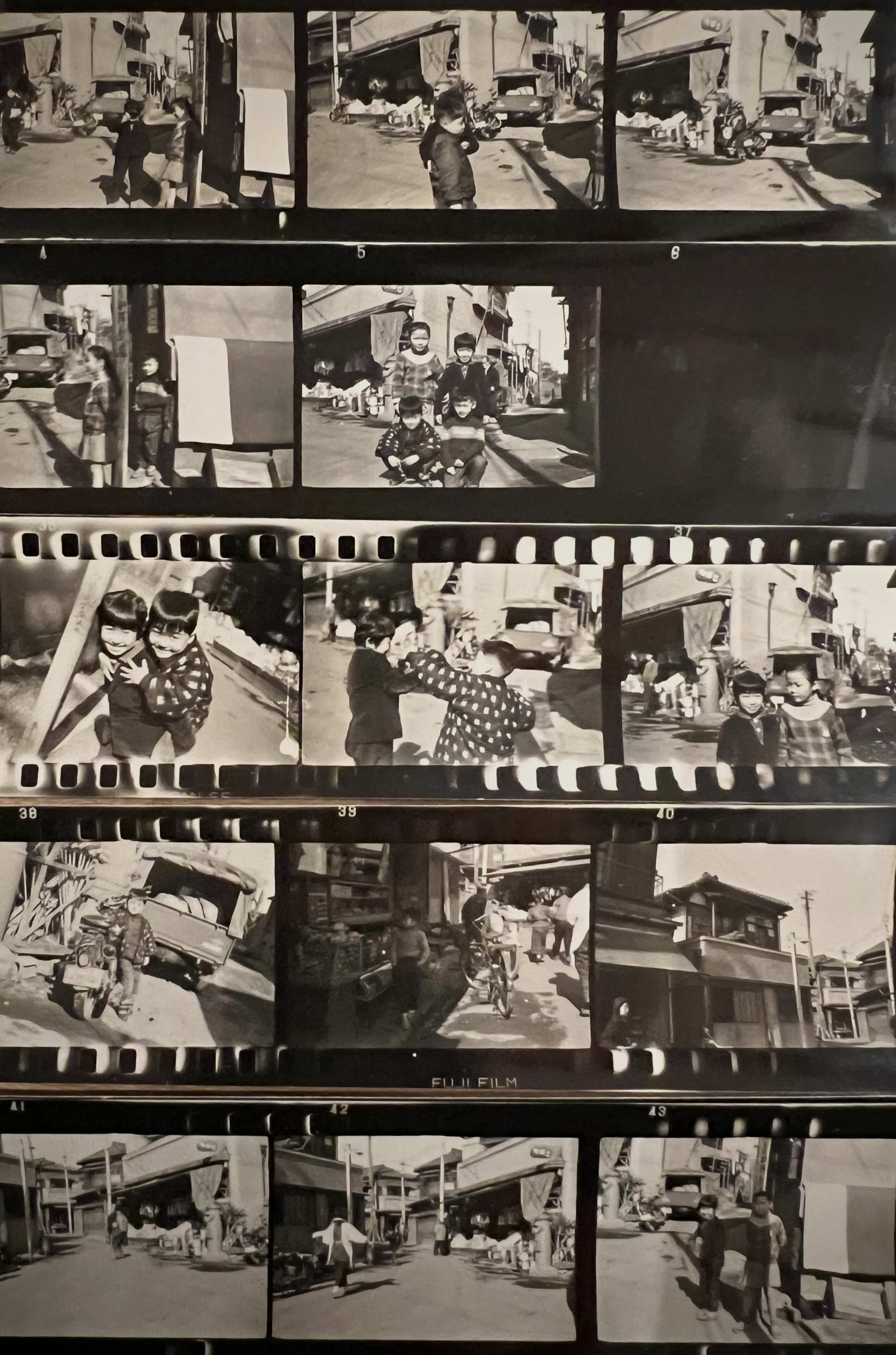
Perhaps thanks to the water deity, the town was spared the fires of the air raids. Its streets still retain the nostalgic atmosphere of the Showa era. Even after the factories departed, this remains a quiet old Tokyo neighborhood, with something of the lively spirit of Edo still alive. Beyond the bend in the river, history continues to accumulate: a deep, little-known corner of the city, almost like the 'navel of Tokyo.'